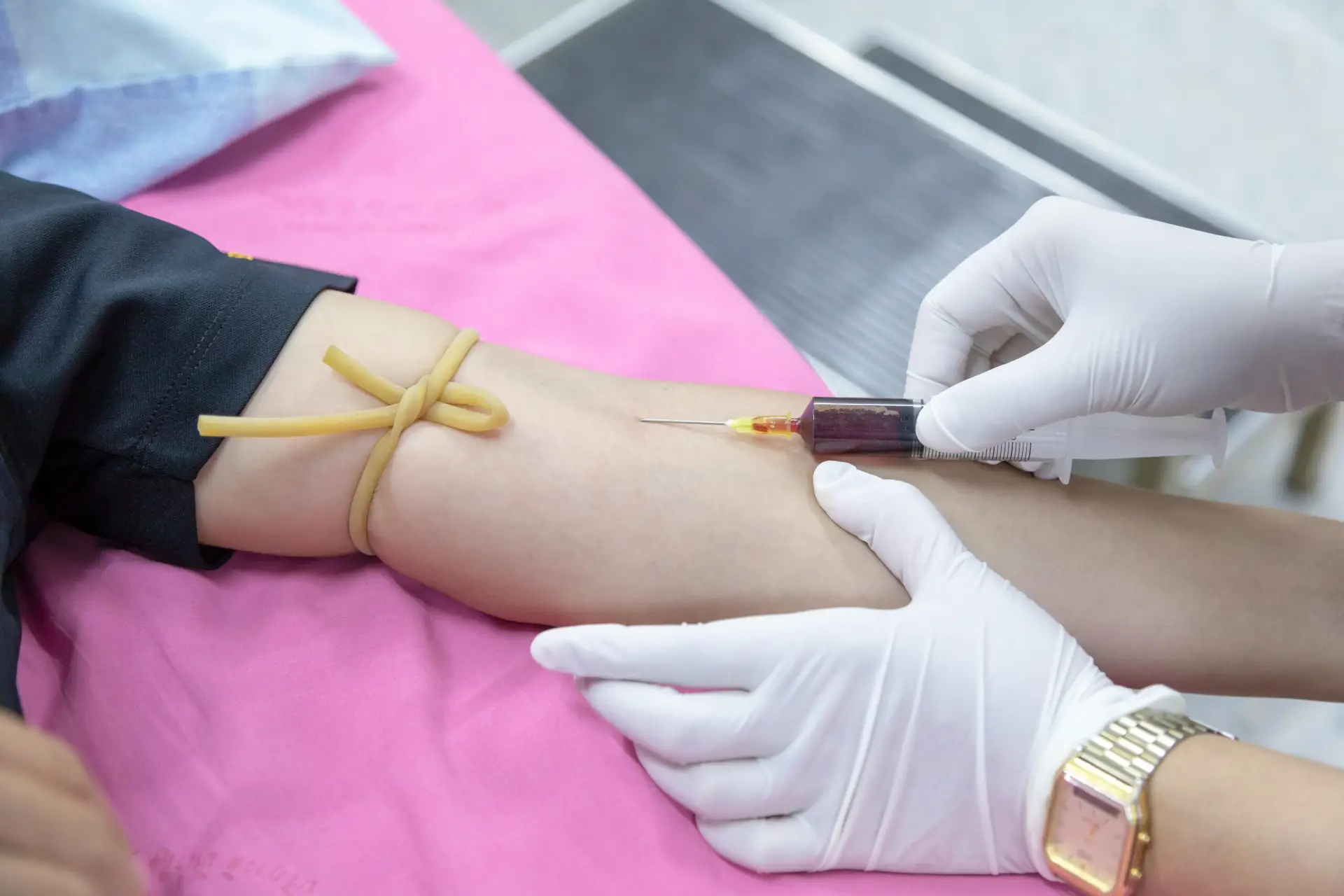
Anaemia is defined as an abnormally low number of red blood cells or a reduced level of haemoglobin, resulting in insufficient oxygen delivery to the body’s tissues. Anaemia, impacting millions globally, can arise from many causes, such as nutritional deficiencies, chronic diseases, blood loss, or hereditary conditions. Within this guide, you will discover various types of anaemia, the most common and general symptoms, the most common causes of anaemia, their diagnoses and treatments, as well as some preventive measures.
Table of Contents
Introduction
What is Anemia?
Types of Anaemia
Causes and Risk Factors
Signs and Symptoms
How is Anaemia Diagnosed?
Treatment Options
Lifestyle and Dietary Recommendations
Complications of Untreated Anaemia
Preventive Measures
Frequently Asked Questions (FAQs)
Conclusion
Introduction
Anaemia is a widespread medical condition in which the body lacks enough healthy red blood cells to transport enough oxygen to its tissues. People of all ages and backgrounds—from children to seniors—can have the condition. Milder cases may be asymptomatic; moderate to severe anaemia can cause fatigue, weakness and complications without treatment. In this ultimate guide, we aim to give you a better understanding of anaemia, its underlying causes, and the best treatments and preventative measures available.
What is Anemia?
Anaemia is the imbalance between the production and loss of red blood cells (RBCs) or haemoglobin. Haemoglobin is the protein found in red blood cells responsible for binding oxygen, and when levels are insufficient, tissues in the body cannot receive the oxygen necessary to thrive. Anaemia may be temporary or long-term, and its symptoms range from mild to severe depending on the cause and how well the body compensates for decreased oxygen delivery.
Types of Anaemia
It is important to understand that there are many types of anaemia,s and treatment or management plans may vary significantly. Some of the most common types include:
1. Iron-Deficiency Anaemia
Description: The most common type of anaemia, due to an insufficiency of iron in the body that is needed for haemoglobin synthesis.
Causes: Poor diet, chronic blood loss (eg, menstrual bleeding, gastrointestinal bleeding), or an increased need for iron.
Management: Generally treated with iron supplements and a diet high in iron.
2. Vitamin-Deficiency Anaemia
Description: Encompasses disorders like folate deficiency anaemia and vitamin B12 deficiency anaemia, in which the lack of crucial vitamins hinders the development of red blood cells.
Causes: Inadequate dietary consumption, malabsorption syndromes, or chronic alcohol abuse.
Management: Typically managed with vitamin supplementation and dietary changes to include folate- and B12-rich foods.
3. Anaemia of Chronic Disease
Summary: Commonly associated with chronic inflammatory disorders, infections, or cancer. The inflammation hampers the body’s use of iron.
Causes: Autoimmune disorders, chronic kidney disease, and inflammation.
Management: Treat the underlying cause and support red blood cell production.
4. Aplastic Anaemia
Overview: An uncommon condition that causes bone marrow to fail to make enough new blood cells.
Causes: Typically associated with autoimmune diseases, some medications, toxic substances and viral infections.
Management: Blood transfusion, immunosuppressive therapy, or bone marrow transplantation may be necessary.
5. Hemolytic Anaemia
Overview: Happens when red blood cells are destroyed more quickly than they can be made.
Causes: Genetic disorders, autoimmune diseases, infections or medication reactions.
Management: Treatment depends on the underlying cause and may involve medications that suppress the immune system or, in severe cases, a splenectomy.
6. Sickle Cell Anaemia
Overview: A genetic form of anaemia that changes the shape of red blood cells, causing them to block blood vessels and create episodes of extreme pain.
Causes: Genetic mutation that affects the structure of haemoglobin.
Management: Pain management, blood transfusion, medication to lower complications, and active research into curative therapies, e.g., gene therapy.
7. Thalassemia
Production of an abnormal form of haemoglobin produces anaemia of varying severity. Overview.
Causes: Genetic mutations passed down from both parents.
Treatment: These may include recurrent blood transfusions, iron chelation therapy, and, in extreme situations, bone marrow transplant.
Causes and Risk Factors
There are many causes of anaemia, including:
Nutritional deficiencies: If there is a deficiency of iron, vitamin B12, or folate.
Blood Loss: Heavy menstrual periods, gastrointestinal bleeding, injury, surgery.
Chronic Diseases: Such as kidney disease, cancer, or autoimmune disorders.
Genetic Disorders: Ex: sickle cell anaemia & thalassemia
Bone Marrow Disorders: Diseases such as aplastic anaemia that affect the marrow’s ability to produce cells.
Contributing risk factors: It can be a poor diet, some chronic diseases, genetic predispositions, and lifestyle factors (eg, alcohol use).
Signs and Symptoms
Anaemia symptoms vary from mild to severe, and may include:
When too little oxygen reaches your organs and tissues, it can lead to fatigue and weakness.
Pale Skin and Mucous Membranes: The reduced red blood cell count usually leads to visible paleness.
Difficulty Breathing: Particularly with physical exertion.
Dizziness or Lightheadedness: Due to lower levels of oxygen reaching the brain.
Fast or Irregular Heartbeat: The heart can pump harder to make up for low oxygenation.
Cold extremities: Poor blood circulation may cause cold hands and feet.
Cognitive Impairment: In severe cases, cognitive impairment may present itself as difficulty concentrating and issues with memory.
How is Anaemia Diagnosed?
The steps involved in diagnosing anaemia generally include:
Medical History and Physical Examination: Review of systems, eating patterns, and risk factors
Blood Tests:
CBC (COMPLETE BLOOD COUNT): This test helps to determine the number of red blood cells, haemoglobin concentration, hematocrit levels, and mean corpuscular volume (MCV).
Iron Studies: Evaluate serum iron, ferritin and total iron-binding capacity (TIBC) to assess iron levels.
Vitamin Levels: Tests for vitamin B12 and folate can detect deficiencies.
• Further tests: Additional diagnostic tests of reticulocyte count, screening for chronic diseases, or a bone marrow biopsy may be indicated based on the suspected cause.
Treatment Options for Anaemia
Treatments for anaemia vary by type and cause:
Dietary and Supplement Therapies
Iron supplements: For iron-deficiency anaemia.
Other Supplements (Vitamin B12 and Folate): Vital for those lacking sufficient amounts.
Dietary Changes: Consuming foods high in iron (red meat, dark leafy greens, legumes), sources of vitamin B12 (meat, dairy, eggs), and folate (citrus fruits, beans, fortified grains).
Medical and Surgical Therapy
Medications: Similar to anaemia of chronic disease, treating the underlying condition is important. Corticosteroids or immunosuppressive drugs can be used for hemolytic anaemias.
Blood transfusions are used in cases of severe deficiency or when rapid correction is necessary.
Bone Marrow Transplantation: In aplastic anaemia or severe hemoglobinopathies, when indicated.
Emerging Therapies: Ongoing research into gene therapy and new medications continues to broaden treatment for inherited anaemias like sickle cell anaemia and thalassemia.
Lifestyle and Dietary Adjustments
In addition to medications, preventing and managing anaemia often requires lifestyle changes:
Balanced Diet: Focus on whole foods that are high in iron, vitamins and minerals.
Regular Meals: For ensuring consistent intake of nutrients, especially for vulnerable groups.
Don’t Drink Too Much Tea or Coffee: These can affect iron absorption.
Management of Health Conditions: Anaemia can be caused by chronic diseases such as arthritis, chronic liver disease, and so forth.
Complications of Untreated Anaemia
When anaemia is untreated, such complications can develop, including:
Chronic Fatigue and Weakness: Impacting daily activities and quality of life
Cardiovascular Problems: A chronically elevated heart rate or irregular heartbeat can cause damage to the heart itself over time.
Anaemia in Children: There are developmental delays in children.
Higher Risk With Pregnancy: Expectant mothers with anaemia have a higher risk of premature delivery and low birth weight.
Preventive Measures
Preventing anaemia involves:
Eating a healthy diet: this provides you with all the essential nutrients to avoid nutritional deficiencies
Routine Health Check-Ups: Testing for anaemia is essential, especially for those in risk categories, which include young children, pregnant women, and the elderly.
Addressing Underlying Causes: Many chronic illnesses cause anaemia and can be treated well to prevent anaemia.
Frequently Asked Questions (FAQs)
Q1: Is snoring always a sign of a serious health problem?
While occasional snoring is common, persistent or loud snoring—especially with breathing pauses—may indicate conditions like obstructive sleep apnea and should be evaluated by a healthcare professional.
Q2: What are some simple ways to reduce snoring?
Lifestyle modifications such as weight loss, avoiding alcohol before bed, changing sleep positions, and treating nasal congestion can be effective.
Q3: How does snoring impact overall health?
Chronic snoring can lead to disrupted sleep, which increases the risk of cardiovascular issues, daytime fatigue, and cognitive impairments.
Q4: When should I consider professional help for snoring?
If you experience breathing pauses, frequent choking, or extreme daytime fatigue, seek medical advice. These may be signs of sleep apnea or other underlying conditions.
Conclusion
Anemia is a complex condition that can be anything from a mild annoyance to a serious health risk if unaddressed. By learning about the types of anemia and what causes them, recognizing the signs and symptoms, and taking steps on one’s own — such as dietary modification, supplements or medical treatment one can successfully manage anemia. Regular check-ups and early diagnosis are important in preventing mistakes and raising the quality of life.





Leave a Reply