What Are the Benefits of Intermittent Fasting?
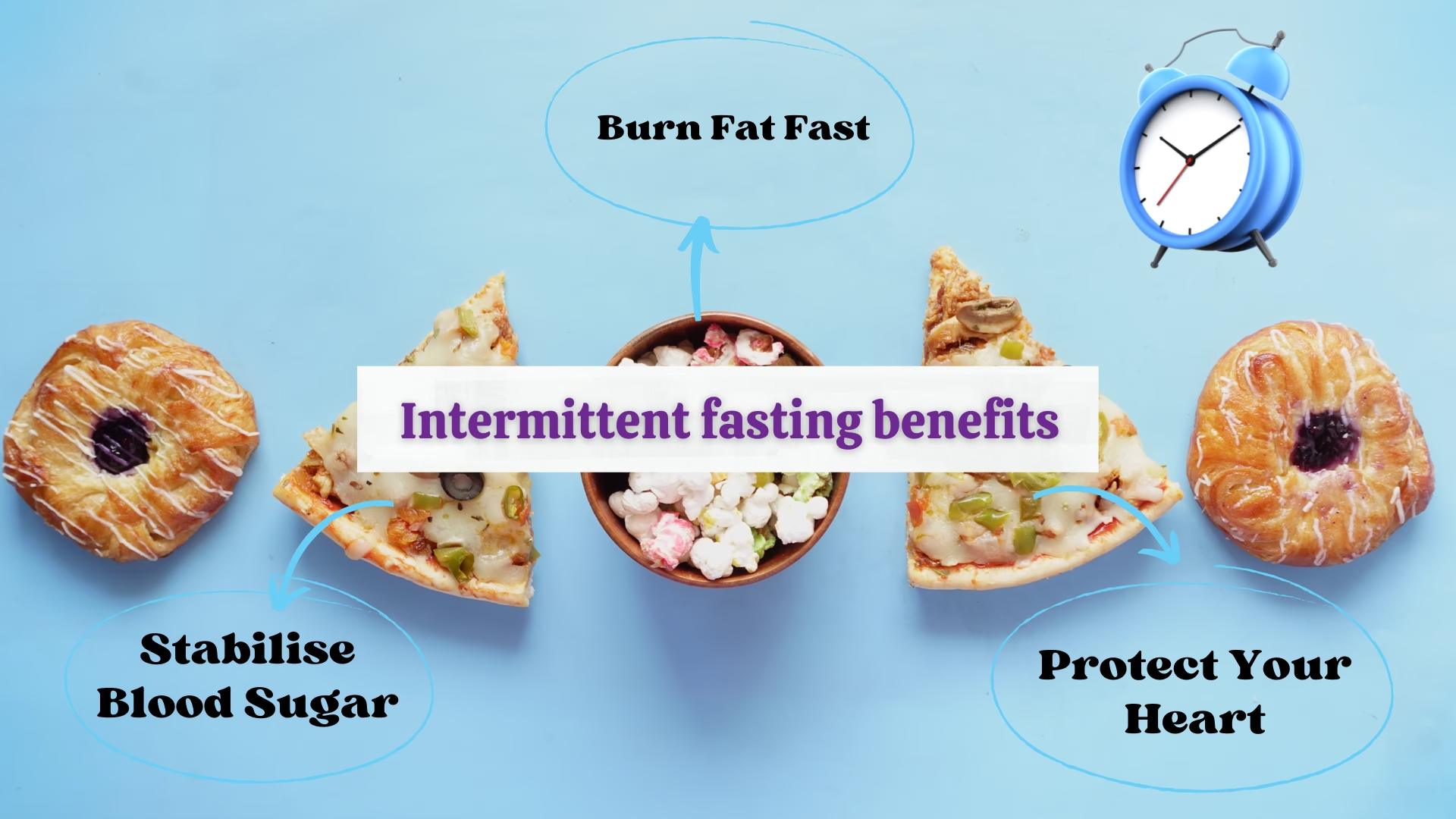
Intermittent fasting benefits have become a major topic in nutrition and preventive health, as research continues to explore how structured eating windows affect weight, metabolism and overall wellbeing. Instead of focusing on strict food rules, intermittent fasting benefits the body by changing when you eat, allowing natural metabolic processes to work more efficiently.
Think of it like switching from running on petrol to a hybrid system that uses stored energy more efficiently.
Weight Loss and Fat Reduction
One of the most common reasons people try intermittent fasting is for healthy weight loss. By limiting eating hours, most people naturally reduce calorie intake without tracking every bite.
You can explore additional strategies for sustainable weight loss management in our
👉 healthy weight loss tips.
Fasting also lowers insulin levels, which allows stored fat to be released and used as energy. Over time, this can lead to gradual fat loss while preserving lean muscle, especially when protein intake and physical activity are adequate.
Intermittent fasting supports fat loss through:
- Reduced calorie intake without strict dieting
- Improved fat burning during fasting hours
- Better appetite regulation over time
Large reviews from Harvard T.H. Chan School of Public Health confirms that intermittent fasting can be as effective as traditional Calorie restriction for weight loss, when followed consistently.
Improved Insulin Sensitivity and Blood Sugar Control
Insulin is like a key that unlocks cells so glucose can enter. Eating all day keeps that key constantly active. Fasting gives insulin a break.
Studies show intermittent fasting can improve blood sugar control, particularly in people who are overweight or have prediabetes. Lower insulin levels help reduce insulin resistance and stabilise glucose fluctuations.
Are you curious about your body mass index? Discover your BMI effortlessly by using our handy
Clinical guidance from Mayo Clinic notes that Intermittent fasting may help reduce fasting insulin and improve metabolic health when done safely.
People with diabetes using medications should always consult a clinician before fasting, as hypoglycemia can occur.
Heart Health and Cholesterol Improvements
Heart health depends on cholesterol levels, inflammation and blood pressure. Intermittent fasting has shown favourable effects on several
cardiovascular markers.
Research suggests fasting may:
- Lower LDL cholesterol
- Reduce triglyceride levels
- Slightly improve HDL cholesterol
Reduced Inflammation and Cellular Repair
Chronic inflammation acts like a slow leak in the system, gradually damaging tissues. Intermittent fasting may help reduce this background inflammation.
During fasting, the body activates cellular maintenance pathways, including autophagy. Autophagy works like a recycling service,
clearing out damaged cell components and supporting cellular health.
Human studies show reductions in inflammatory markers during fasting, although most mechanistic evidence comes from animal models. Claims of “detox” should be avoided, as the liver and kidneys already perform that function.
Brain Health and Mental Clarity
Many people report improved focus during fasting. This may be related to ketone production, which provides an efficient fuel source for the brain.
Emerging evidence suggests intermittent fasting may support:
- Cognitive clarity
- Stress resistance
- Long-term brain health markers
Animal research is promising, while human data is still evolving. According to the National Institute on Aging, fasting-related metabolic changes may support brain resilience
For more content on mental health strategies that support cognition, please visit 👉 Mental health.
Is Daily 16-Hour Fasting Healthy?
Many of the commonly discussed intermittent fasting benefits are observed with the 16:8 fasting method when it is followed consistently.
The 16:8 fasting method involves fasting for 16 hours and eating within an 8-hour window. For many people, this means skipping breakfast or avoiding late-night meals.
Randomised trials published in JAMA Internal Medicine show that 16:8 fasting can lead to modest weight loss and metabolic
improvements, though results vary.
Benefits of daily 16-hour fasting may include:
- Better appetite control
- Reduced evening snacking
- Improved insulin sensitivity
However, the American Heart Association reports caution
against extremely short eating windows for certain populations.
Diet quality still matters more than fasting duration.
Is It Okay to Intermittent Fast Every Day?
For healthy adults, daily intermittent fasting is
generally safe and well-tolerated. Many clinical studies use daily
time-restricted eating protocols without serious adverse effects.
Daily fasting works best when:
- Meals are nutrient-dense
- Protein intake is sufficient
- Sleep and hydration are prioritised
It may not be appropriate for individuals who are pregnant,
underweight or have a history of eating disorders. According to Harvard Health, fasting should never feel extreme or punitive
Flexibility is key. Some people benefit from fasting five
days per week instead of daily.
What Happens After 7 Days of Intermittent Fasting?
While short-term changes are modest, early intermittent fasting benefits can include reduced bloating, appetite control and improved energy regulation.
A seven-day trial helps many people understand how their
body responds to fasting.
Days 1–2: Adaptation
- Increased hunger
- Headaches or fatigue
- Depletion of glycogen stores
Days 3–5: Metabolic Shift
- Increased fat burning
- Reduced hunger waves
- Improved mental clarity
Days 6–7: Early Results
- Mild weight reduction
- Reduced bloating
- More stable energy levels
These changes are modest and mostly related to water balance
initially. Long-term benefits require consistency.
Choosing the Best Intermittent Fasting Method for You
There is no universal fasting plan. The best method is one you can sustain.
Common approaches include:
- 12:12 or 14:10 fasting for beginners
- 16:8 for structured weight loss
- 5:2 fasting for flexibility
- Alternate-day fasting for experienced individuals
Explore more blogs on healthy nutrition here
Diet Quality, Exercise and Supplements During Intermittent Fasting
Fasting changes timing, not nutritional needs.
During eating windows, prioritise:
- Lean proteins
- High-fiber vegetables
- Healthy fats
- Whole foods
Exercise can be safely combined with fasting. Resistance
Training helps preserve muscle mass.
Hydration is essential. Water, black coffee and herbal tea
are generally acceptable during fasting.
Risks, Side Effects and Red Flags
Intermittent fasting is not suitable for everyone.
Common side effects include:
- Hunger
- Headaches
- Irritability
Stop fasting and seek medical advice if you experience dizziness, confusion or signs of hypoglycemia.
Like any dietary approach, the long-term intermittent fasting benefits depend on consistency, diet quality and individual health status.
Dr. Zeeshan N
MBBS, MD
Dr Zeeshan N is a physician. He specialises in evidence-based lifestyle interventions, metabolic health and patient education. His work focuses on translating complex medical research into clear, practical guidance for a global audience, following current clinical and public health standards.





Leave a Reply